Quick answer: To measure social media ROI, subtract your total social media cost from the earnings it generates, divide by that cost and multiply by 100. Costs include ad spend, team time, tools and agency fees; earnings include direct sales and the value of leads in your funnel. Review cost per lead, conversion rate and customer lifetime value monthly.
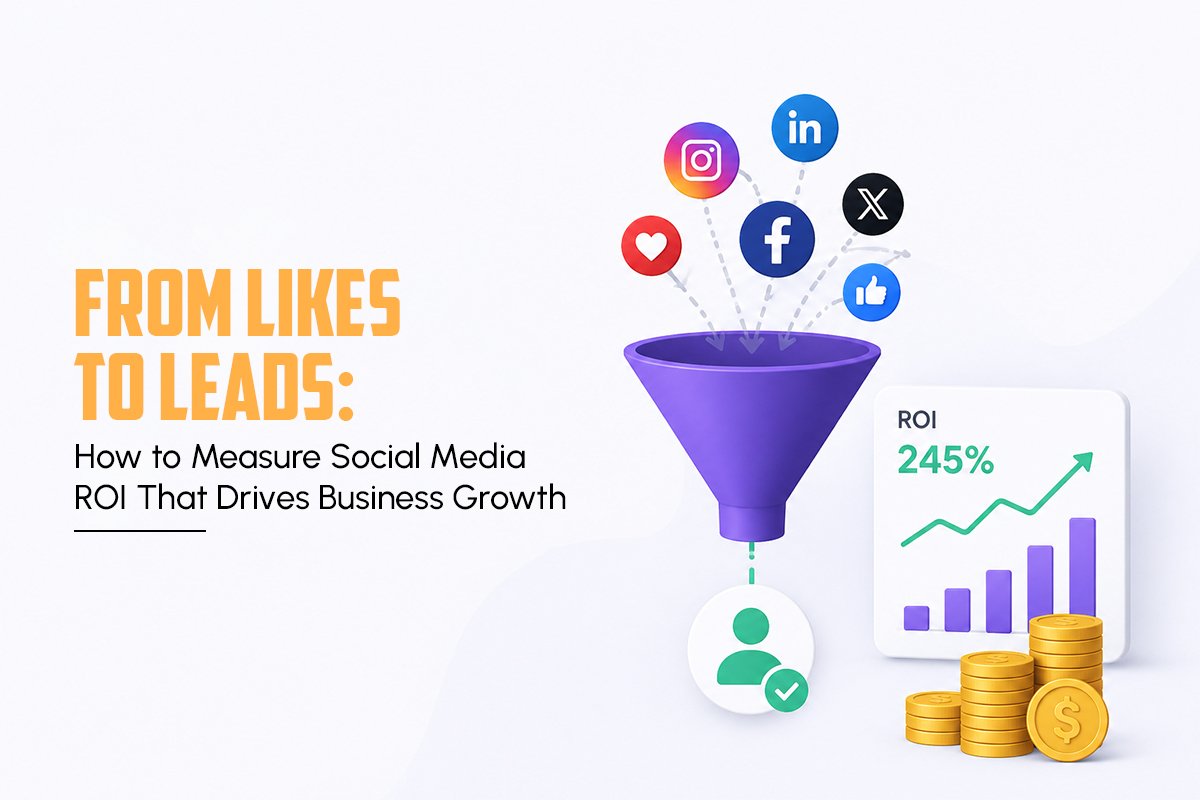
tl;dr: Social media ROI is not about how many likes you get. It’s about turning engagement into leads and leads into revenue. At Neoma Media, we believe that each post, each comment and each click is a data point that must be connected to real business growth. If you track the right numbers, tie them to cost and review them often, you’ll know exactly what your social media is worth to your business, not just how loud it looks online.
What Social Media ROI Really Means for Your Business
Most business owners still think social media ROI means followers or likes. It does not. Social media ROI is the actual value your business gets back compared to what you spend to get it. That value can be money in the bank, but it can also be leads in your pipeline, calls booked or trust built with people who were not ready to buy yet.
Business ROI in general is simple math on paper. Revenue minus cost, divided by cost. But when you apply that formula to social media, things get messy fast because not every result shows up as a direct sale. Someone may see your post today and buy from you three months later. That does not mean the post failed. It means attribution takes patience.
This is why we tell every client at Neoma Media the same thing early on. Do not judge a campaign by day one numbers. Judge it by the pattern it builds over weeks and months.
Why Vanity Numbers Feel Good But Mean Little
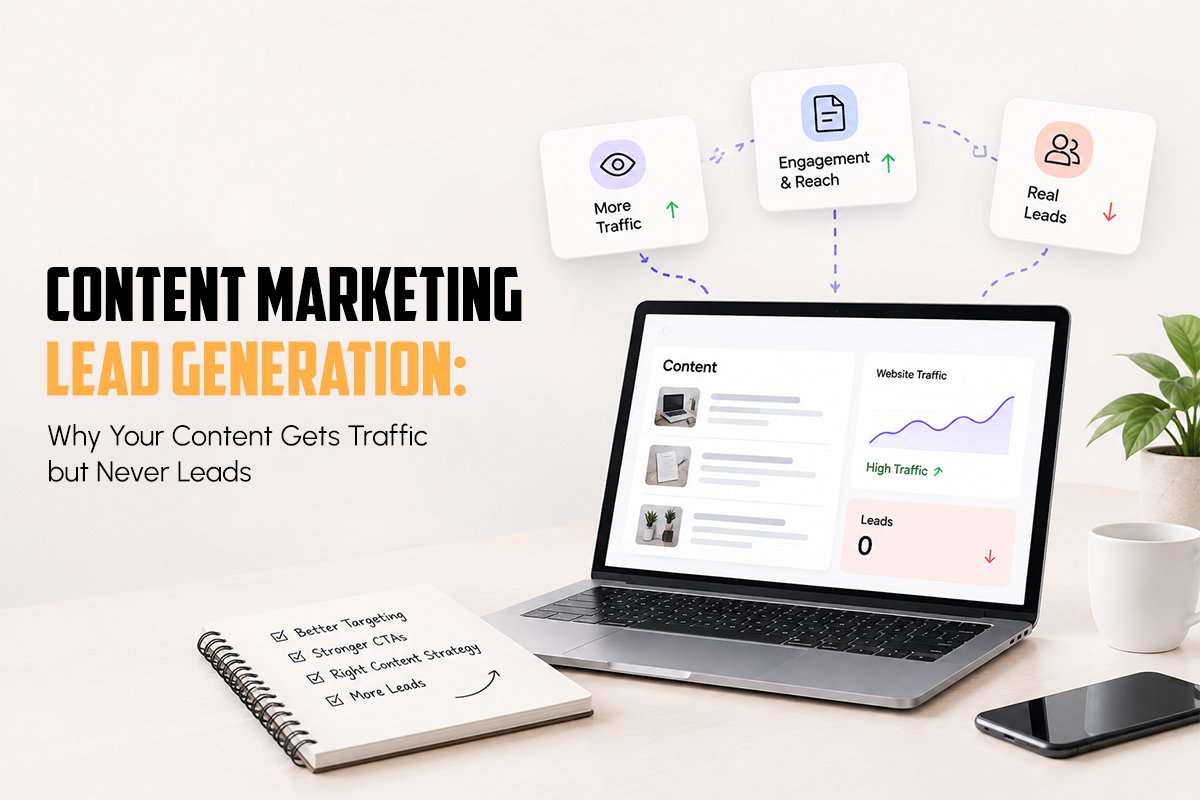
Likes and shares feel nice to look at, we get it. But a post can go viral and still bring zero business. On the other hand, a quiet post with ten comments from the right people can bring a client worth thousands. The number itself never tells the full story. The context around it does.
Why Most Brands Get Social Media Performance Wrong
Marketing performance gets misread constantly because teams look at platform dashboards in isolation. Instagram tells you reach. Facebook tells you engagement. LinkedIn tells you impressions. None of the platforms will tell you what happened after someone left the app.
The real mistake is to take each report from a platform as the whole picture and not as a tiny part of it. A brand can have amazing reach and still lose money if none of that reach ever turns into a conversation, a form fill or a purchase.
How to Tell Your Team Is Measuring the Wrong Things
You report follower growth to leadership instead of leads generated
- You celebrate high reach even when website traffic barely moves
- You cannot say which post led to which sale
- Your reports use different numbers every month with no fixed baseline
If any of these sound familiar, your reporting is built for looking busy, not for proving value.
The Real Formula Behind Social Media ROI
Here is the formula we use as a starting point and it is close to what most serious marketers rely on.
Social Media ROI equals earnings minus cost, divided by cost, multiplied by one hundred.
Cost is not just ad spend. It includes the time your team spends creating content, any tools or software you pay for and if you hire an agency, that fee too. Earnings include direct sales tied to social, plus the value of leads that are still moving through your funnel.
A solid social media strategy always starts by defining what earnings actually mean for that specific business. A local bakery and a software company will never measure earnings the same way and pretending they should is where a lot of ROI tracking falls apart.
Building Your Own Formula Step By Step
- List every cost tied to your social media activity for the month
- Add up direct revenue you can trace back to social with confidence
- Estimate the value of leads still in progress using past conversion rates
- Plug the numbers into the formula and review the percentage honestly
Turning Engagement Into Leads Not Just Numbers
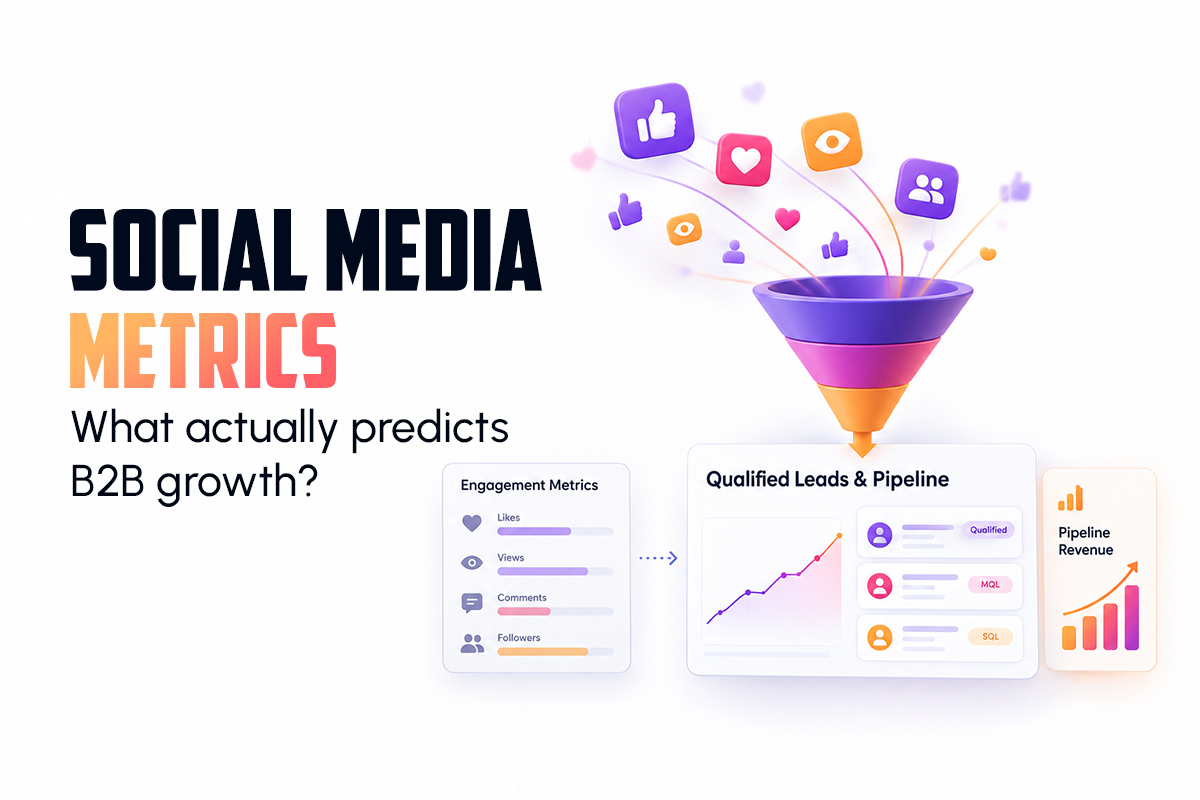
Turning engagement into leads is where most brands quietly fail. They get comments, DMs and shares, but nobody follows up in a structured way. Engagement is only useful when it moves someone one step closer to becoming a customer.
Every comment on your page is a small signal. Someone asking about pricing in your comments is not just engagement, that is a warm lead sitting in plain sight. Yet so many brands reply with a generic thank you and move on, wasting the opening completely.
Practical Ways to Convert Engagement Into Leads
- Reply to comments with a direct next step, not just a thank you
- Move interested commenters into DMs where real conversations happen
- Use link in bio tools that lead straight to a booking page or form
- Track every DM conversation in a simple spreadsheet or CRM
- Follow up with people who engaged but never converted within a week
None of this needs expensive software. It needs a person who treats every interaction as a possible client, not just a number on a screen.
Building a Marketing Growth Strategy Around Data
A marketing growth strategy without data is just a guess dressed up nicely. You need marketing analytics in order to tell you what content is working, which platform is bringing you real buyers and where your money is being wasted.
Marketing analytics isn’t about looking at a hundred numbers each day. It’s about selecting five or six that are really important for your goals and revisiting them on a routine schedule, weekly or monthly, depending on how quickly your industry moves.
Metrics Worth Watching Every Month
- Cost per lead from each platform you use
- Conversion rate from social traffic on your website
- Average time between first interaction and final sale
- Customer lifetime value for people who came through social
- Engagement rate on your top three performing post types
Once you have these numbers for a few months, patterns show up on their own. You start seeing which platform actually deserves more budget and which one is just eating time.
Choosing the Right Digital Marketing Company or Partner
Not every digital marketing company is built the same way and this matters more than most business owners realize when they are choosing who to trust with their budget. Some agencies chase vanity metrics because those numbers are easy to show off in a report. Others, like Neoma Media, build everything around what actually moves your business forward.
When you review social media services from any agency, ask them directly how they define success. If their answer is stuck on likes, followers or reach and not leads or revenue, that’s a red flag worth paying attention to.
Questions to Ask Before Hiring Any Agency
- How do you track a lead from a post back to a closed sale
- What tools do you use for reporting and can I access them directly
- How often will I get reports and what will they actually contain
- Can you show me real results from real clients (screenshots of engagement won’t do)
A good partner will welcome these questions, not shy away from them.
Performance Marketing vs Organic Social Growth: Key Differences
| Factor | Performance Marketing | Organic Social Growth |
| Primary goal | Faster reach and conversions | Trust and long-term brand growth |
| Speed | Faster results | Takes time to build |
| Cost | Requires ad spend | Lower direct media cost |
| ROI tracking | Easier to attribute | More difficult to attribute |
| Best for | Lead generation, sales, offers | Brand awareness, trust, community |
| Long-term value | Depends on continued spending | Can compound over time |
Performance marketing and organic growth are different animals and both deserve a place in a healthy strategy. Performance marketing gets you speed. You pay for reach and results are usually seen quickly, which makes it easier to calculate ROI in a short window.
Organic growth takes longer but it builds trust over time. People buy from brands they know and feel comfortable with and organic content is what builds that comfort long before someone becomes a paying customer.
We see the mistake a lot. Brands go all in on one and forget the other one completely. Paid ads don’t have the warmth of building organic trust. Organic content that doesn’t include paid support will be growing too slow to matter for a business with real revenue goals. The two should cooperate, not fight over the budget.
How a Financial Consulting Firm Can Use Social Media ROI Too
People assume social media ROI only applies to product based businesses, but that is far from true. A financial consulting firm, for example, can use social platforms to build authority long before a prospect ever books a call. Trust is the actual product being sold in that industry and social content is one of the cheapest ways to build it publicly.
For a business like this, ROI might look different. It could be measured in booked consultations, downloaded guides or newsletter signups instead of direct purchases. The formula stays the same, only the definition of earnings shifts to match how that business actually makes money.
This is exactly why cookie cutter reporting fails so many industries. ROI has to be shaped around how your specific business earns trust and closes deals, not around a template built for someone else.
Common Mistakes That Kill Your ROI Tracking
Chasing Every Platform At Once
Trying to be everywhere usually means being mediocre everywhere. Pick two or three platforms where your actual audience spends time and go deep instead of spreading thin.
Ignoring the Cost Side of the Formula
Many brands only track what they earned and forget to properly track what they spent, including hours worked. This makes ROI look better on paper than it actually is.
Giving Up Too Early
Social media compounds over time. Judging a strategy after thirty days is like judging a plant a week after planting the seed. Give it real time before making major changes.
Final Thoughts From Neoma Media
Measuring social media ROI is not complicated once you stop chasing numbers that look good and start chasing numbers that mean something. Track your cost honestly, define your earnings clearly and treat every comment or message as a potential lead worth following up on.
At Neoma Media we build reporting systems that connect social activity directly to business outcomes, so our clients never have to guess what their marketing is actually doing for them. If you want help tracking your own social media ROI in a way that finally makes sense, our team is ready to sit down and build a plan around your real goals.
You can also track a lot of this yourself using free tools like Google Search Console alongside your social platform insights. For a more in-depth look at the technicalities of ROI formulas and how to approach benchmarking then Brandwatch has a detailed guide, well worth a read for reference. Social media will evolve every year, but the core idea will remain the same. If it is not connected with growth in some quantifiable way, it is just noise. Make sure yours never is.
Frequently Asked Questions
What is social media ROI?
Social media ROI measures the business value generated from social media compared with the total cost of running it. This can include revenue, qualified leads, booked calls, conversions, and other measurable business outcomes.
How do you calculate social media ROI?
The basic formula is: Social Media ROI = (Earnings − Social Media Costs) ÷ Social Media Costs × 100. Costs should include ad spend, agency fees, content production, software and the time your team spends managing social media.
Are likes and followers important for measuring social media ROI?
Likes and followers can indicate audience engagement and growth, but they do not prove ROI on their own. Leads, conversions, revenue, cost per lead and customer lifetime value are usually more useful for understanding business impact.
How can social media engagement be converted into leads?
Brands can turn engagement into leads by responding to buying-intent comments, moving relevant conversations into DMs, using clear calls to action, linking to landing pages or booking forms and following up with interested prospects.
What social media metrics should businesses track every month?
The most useful metrics depend on your goals, but businesses should generally monitor cost per lead, website conversion rate, social-generated revenue, engagement rate, customer acquisition cost and the time it takes for a lead to become a customer.