tl;dr:
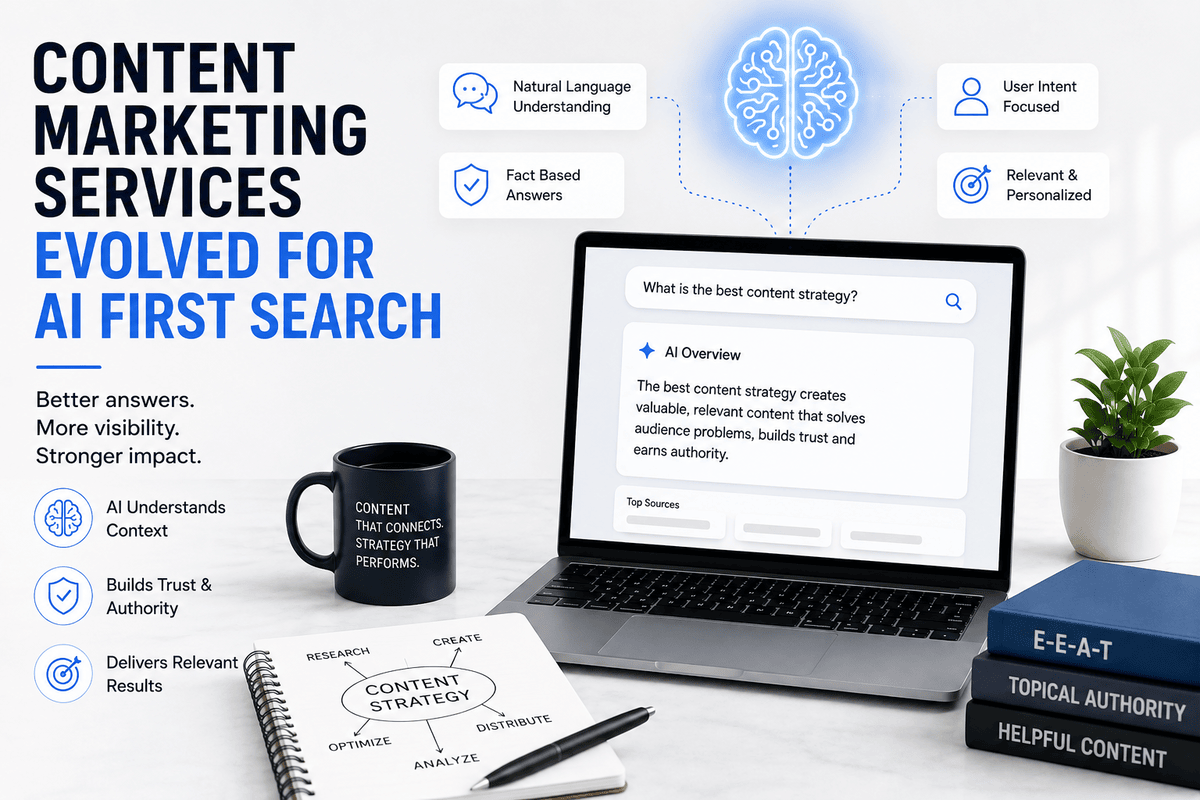
AI tools mention businesses that match the question, have pages they can read and show the same facts across trusted sources. There is no secret formula. Clear services, original content, accurate details and real third-party mentions help most. That is what AI search optimization really comes down to.
Why AI Search Visibility Matters for Businesses
Buyers don’t only Google anymore.
They ask ChatGPT for a shortlist, use Perplexity to compare three vendors, or turn to Google AI Overviews for a quick answer. In some cases, they stop searching after that.
Now picture your business. The work is good. Clients stay. But when someone asks an AI tool who to hire you are missing from the answer.
This is a common gap for service businesses. The work is good but the proof is hard to find.
Machines can’t verify what they can’t read or cross-check. At Neoma Media we focus on closing that gap. This guide shows how to fix your search visibility step by step.
How Does AI Search Decide Which Businesses to Mention?
Short answer: it pulls pages, picks sources it trusts and writes a reply from them. Each platform does this a little differently. No single ranking formula exists for all of them. Anyone selling you one is guessing.
Here is the rough flow:
- Retrieval: the tool pulls pages related to the question
- Relevance: it checks how well each page fits the need
- Source selection: it leans toward sources that look reliable
- Corroboration: it compares details across sources
- Answer generation: it writes the reply and sometimes cites links
People call this generative engine optimization. The name is new but the habit is old. Be useful and be easy to verify.
Relevance to the User’s Question
Relevance is boring but it decides almost everything.
If someone asks for GST accounting help for small manufacturers in Surat, the tool looks for pages that say exactly that. Vague pages lose. Specific pages win.
Things that shape relevance:
- Services you offer
- Industry you serve
- City or region
- The exact problem you solve
Credible Information Across Multiple Sources
AI tools cross-check. If your website says one thing and your directory listing says another the tool loses confidence.
What helps:
- Same business name everywhere
- Same address and phone number
- Claims anyone can verify
- Mentions on respected sites in your field
This part of AI search optimization is mostly about being consistent.
An Illustrative Example: What an AI Visibility Audit Looks Like
This example is illustrative and not a specific client result. It shows how we approach an audit at Neoma Media.
Picture a local accounting firm. Clients are happy and referrals are steady. But when we test buyer-style prompts like “GST accounting help for small manufacturers in Surat” the firm doesn’t appear in the answers.
What the Business Was Missing
- Service pages that said “financial solutions” and didn’t name the service
- A different phone number on the website and on two directory listings
- No author names or documented client stories
- Key text locked inside images
What Neoma Changed
- Rewrote the top service pages so the first two lines name the service, audience and city
- Matched business name, address and phone across all listings
- Added author bios and updated dates
- Added a short FAQ built from real client questions
What Happened in Subsequent AI Visibility Tests
We would re-run the same set of prompts every month and log three things: mentions, citations and referral visits.
Results vary by prompt and platform. So we look at the trend over several weeks and not at one single answer. No change guarantees a mention.
ChatGPT vs Perplexity vs Google AI Overviews: How Business Discovery Differs
The three platforms may appear similar, but their retrieval and citation behavior differ. Don’t treat them as one channel.
Whatever the platform you need AI-ready content. That simply means content a machine can read and quote without guessing.
How ChatGPT Search Finds and Cites Businesses
ChatGPT search uses relevant web information and shows source links in its answers. OpenAI explains the basics on its ChatGPT search help page.
My practical takeaway:
- A page that can’t be crawled can’t be cited
- Plain text beats text locked inside images
- Clear page titles make your page easier to match
How Perplexity Selects Sources for Its Answers
Perplexity feels like a research assistant. Citations sit right next to the answer so source relevance matters a lot.
Pages that answer one question cleanly get picked more often. A tight FAQ or comparison table usually beats a long brand story. For AI search optimization on Perplexity, I would build answer-first pages and keep each one focused on a single topic.
How Google AI Overviews Use Search Results
Google AI Overviews sits on top of Google’s existing search systems. If your page isn’t indexed it can’t show up as a supporting link. Google lays this out in its AI features documentation.
You may remember the early name for this which was search generative experience. The name changed but the rule didn’t. Eligible indexed pages with helpful content get the chance.
7 Factors That Can Improve Your Business’s AI Search Visibility
No public list of ranking signals exists for AI answers. So I won’t invent one.
What follows is Neoma Media’s recommended framework for building digital authority. It’s based on how these tools describe their own behavior and on standard search best practice. It isn’t a guaranteed formula.
Clear Service and Industry Relevance
Say exactly what you do and whom you serve. “Marketing solutions” tells a machine nothing. “Email marketing for D2C skincare brands” tells it a lot.
- One main service per page
- Name the industry
- Name the location if it matters
Helpful, Specific and Original Content
Answer real customer questions. Use details only you have like pricing ranges, process steps and mistakes you’ve watched clients make.
Good AI search optimization content sounds like a person who has done the job.
Demonstrable Expertise and Trust
Show who wrote it. Add a real author bio. Add case studies with real numbers you can prove.
Google’s guidance on helpful, people-first content asks the same thing. Who wrote this and why should I trust them?
- Author name and real role
- Dates and named sources
- Honest limits on what you know
Consistent Business Information
Match your name, services, location and contact details across your site, your Google Business Profile and your directories. Small mismatches add up.
Relevant Third-Party Mentions
Earn mentions from industry sites, local press, podcasts and partners. Skip bought links. They rarely help and they can hurt.
A solid AI search strategy treats these mentions as the proof layer.
Crawlable and Indexable Website Pages
- Check robots directives
- Check for stray noindex tags
- Keep key text in HTML
- Link your pages to each other
Clear Structure and Supporting Evidence
Use descriptive headings. Open each section with the answer. Add examples. Add accurate structured data but remember schema alone won’t rescue thin content.
When you compare AI SEO services, ask how they handle this factor first.
How to Optimize Your Website for AI Search: A Practical Checklist
Do it in this order:
- Search your core services in ChatGPT, Perplexity and Google. Note who shows up
- Rewrite service pages so the first two lines state the service, audience and location
- Add FAQ sections built from real customer questions
- Fix name, address and phone mismatches
- Check indexing in Google Search Console
- Add author bios and updated dates
- Earn two or three relevant mentions every quarter
Step one alone usually shows the gaps. Honest AI search optimization starts with looking.
How to Measure AI Search Visibility and Results
Keep it simple. Track these:
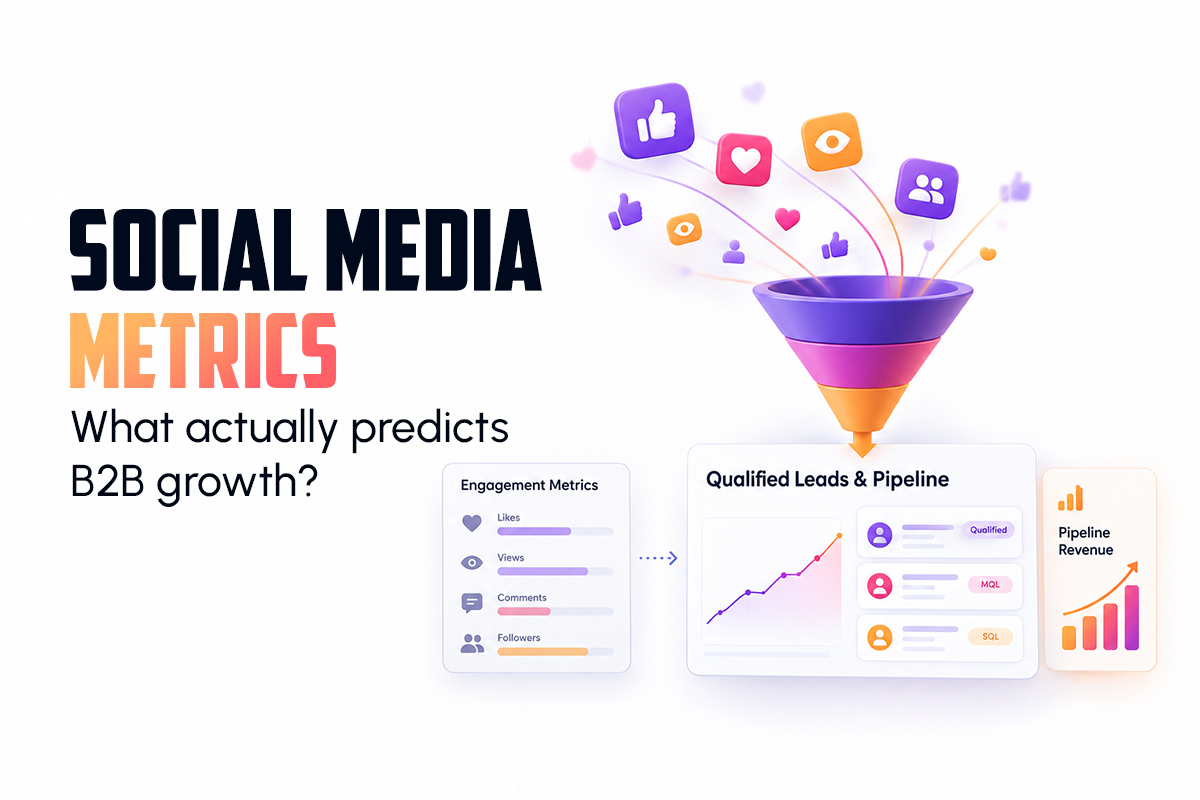
- Brand mentions in AI answers (test the same ten prompts each month)
- Citations pointing to your pages
- Referral traffic from AI platforms
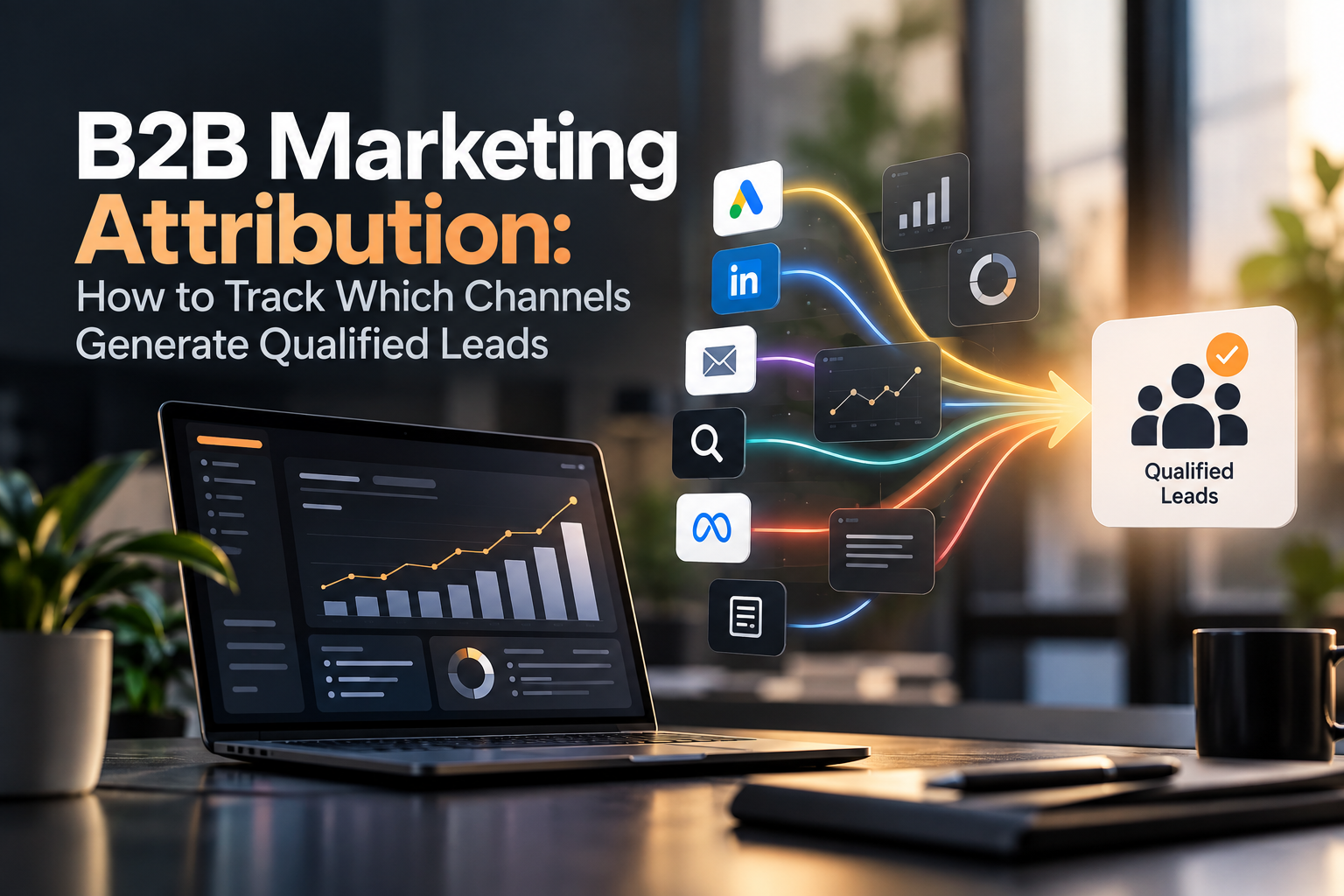
- Qualified leads
- Conversions
A spreadsheet works fine. An AI visibility tool can save time once you track many prompts.
Answers change from prompt to prompt. So look at trends over weeks and not one single result.
Common AI SEO Mistakes That Can Hurt Your Strategy
- Keyword stuffing: it reads badly and helps nobody
- Mass-produced generic content: the same article as everyone else
- Fabricated reviews: trust is hard to rebuild
- Unsupported claims: if you can’t prove it don’t write it
- Relying on schema alone: markup supports content and doesn’t replace it
Most failed AI search optimization I’ve seen skips the basics for a shortcut.
Frequently Asked Questions
What is AISEO (AI SEO), and how does it differ from traditional SEO?
AISEO is all about optimizing your business so it becomes easily discoverable, understandable, and citeable by AI. While traditional SEO is obsessed with ranking on the list of results, AISEO is trying to get you mentioned and referenced directly in the answer. The two approaches share many fundamentals.
How do I get my business mentioned in ChatGPT, Perplexity, or Google AI Overviews?
Tell clearly what your business does. Create crawlable web pages with relevant information about it. Maintain consistency of your business data and get mentions from credible sources. There’s no magic trick for getting mentioned.
What is Answer Engine Optimization (AEO) and do I need it?
AEO means shaping content so answer engines can pull a direct response from it. If your buyers ask questions before they buy then yes you need it. In practice it’s good content structure.
Does traditional SEO still work if AI search is replacing Google search?
Yes. Google AI Overviews relies on Google’s search technology as well as other tools that scan the open web. Crawlable webpages and quality content remain important. Don’t think of AI visibility as an alternative to traditional SEO practices.
How will I know if my AI SEO is working?
Keep track of the mentions, citations, referral traffic, and qualified leads. Test the same prompts each month. Watch for incremental progress, not sudden surges.
Turn AI Search Visibility Into Business Opportunities
You don’t need a hundred tactics. You need a clear message, pages machines can read and proof that holds up.
Priority actions:
- Check where you appear today
- Rewrite your key service pages
- Fix inconsistent business details
- Earn relevant mentions
- Measure monthly
Start small and stay consistent. That is the real ai search optimization playbook.
Want a clear picture of where your business stands? Book an AI search optimization audit with Neoma Media and we will show you what to fix first.